Learn Industry Insights

    Stay informed with the latest news, case studies, and industry updates

    The Next Layer of City Resilience: How ApoSys Elevates Trunk Sewer Monitoring
    Blog

    The Next Layer of City Resilience: How ApoSys Elevates Trunk Sewer Monitoring

    By Pragya Saxena

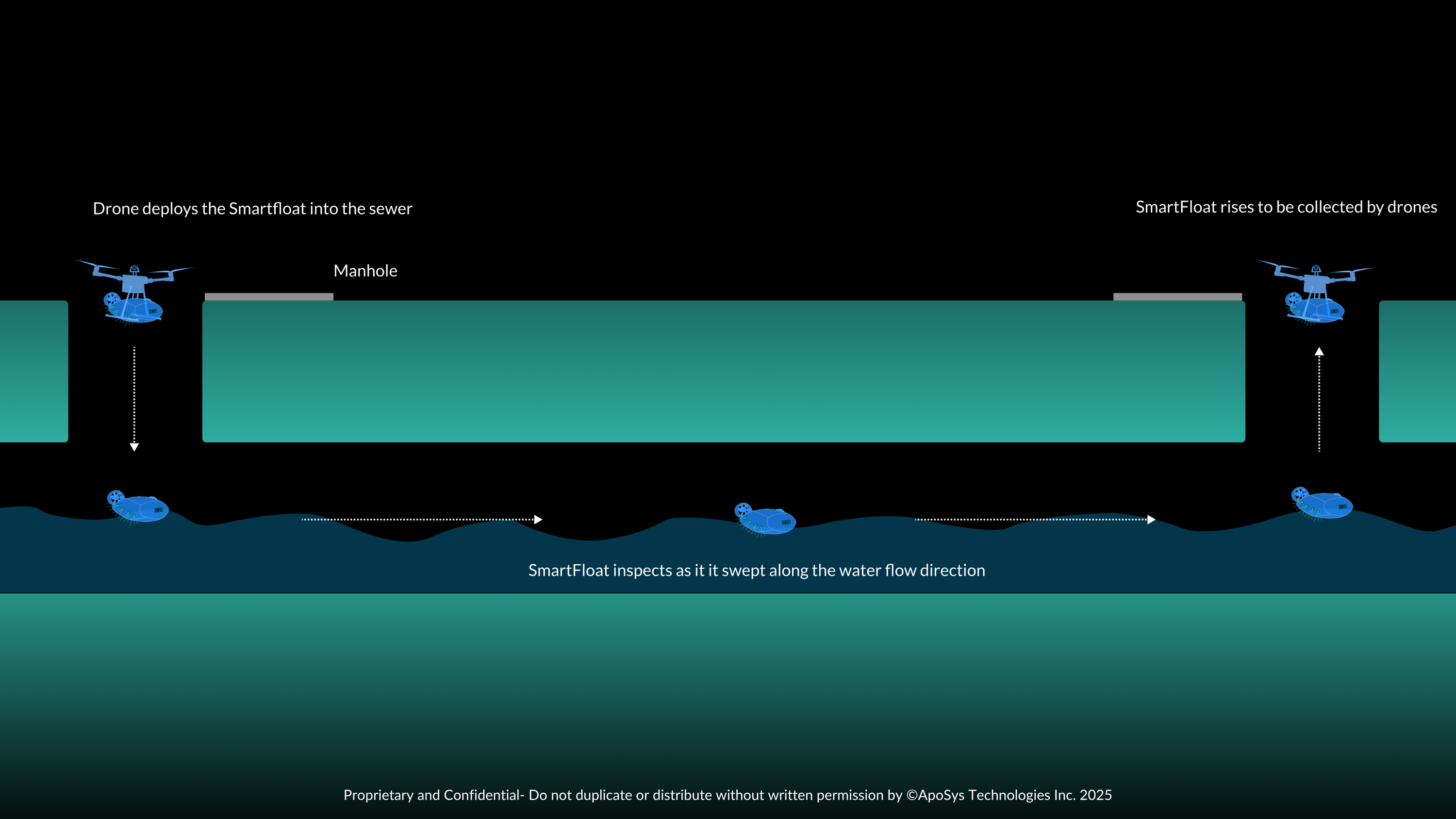
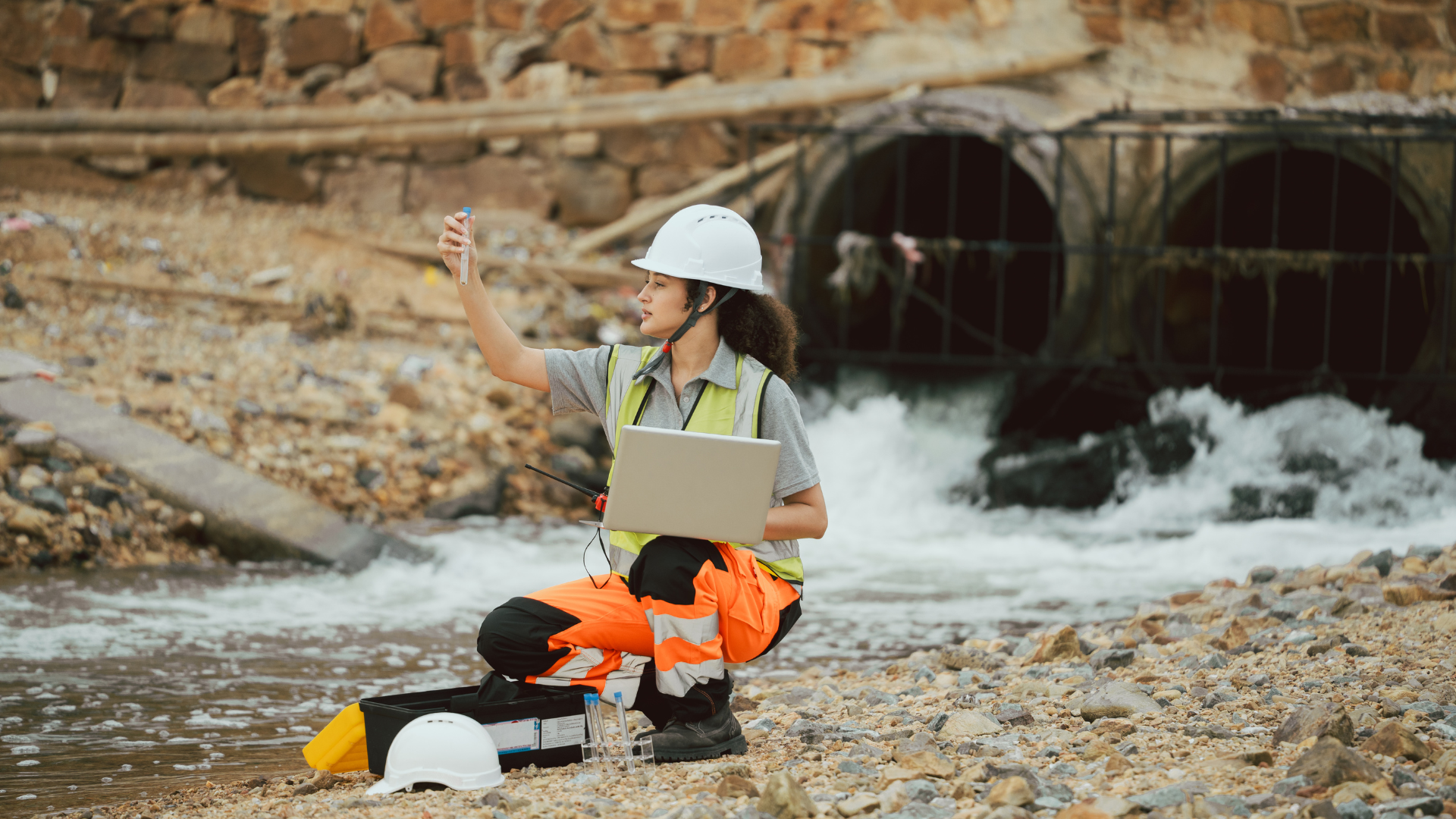
    Urban sewer systems are aging while storms are getting more intense. According to the U.S. Environmental Protection Agency (EPA), combined sewer overflows in the United States discharge an estimated 850 billion gallons of untreated wastewater and stormwater each year. Wastewater infrastructure across the U.S. remains in poor condition, earning a D+ on the national report card, a clear signal of chronic under-investment and mounting systemic risk. To manage these risks, municipalities rely on periodic CCTV inspections and manual defect coding under the Pipeline Assessment Certification Program (PACP). This framework, developed by the National Association of Sewer Service Companies (NASSCO), standardizes how defects are graded and reported. Yet despite its structure, the process remains time-consuming, subjective, and reactive, often identifying issues only after failures occur. As storms intensify and networks age, this traditional approach cannot keep pace with real-time deterioration, leaving utilities exposed to escalating maintenance costs, environmental breaches, and service disruptions. From Rail to Sewers: Why ApoSys Built for rail corridors, our sensing, analytics, and dashboard stack adapts naturally to tunnels and large-diameter sewers. At Communitech's Fast Track Cities event, ApoSys clinched 2nd place, recognizing our approach to autonomous inspection and actionable analytics for critical infrastructure. What Cities Are Demanding Beneath the Surface Cities need inspection tools that work within these established standards while modernizing how data is captured and acted on. They are seeking systems that reduce confined-space entries, shorten turnaround from inspection to decision, and target rehabilitation funds where risk is highest. As climate volatility increases, utilities want monitoring that can predict failures before they happen, not just document them after. The ApoSys Sewer Stack Sage Framework. The foundation of ApoSys' sewer solution, integrating field hardware and analytics into one unified system for trunk sewers and interceptors. The framework includes: SmartFloat: An amphibious, remotely operated platform for both low- and high-flow conditions. It carries LiDAR and optical payloads to map geometry and detect defects even when partially submerged. Multipurpose Drone: Designed for dry-weather entries, it captures high-resolution imagery and LiDAR data in large conduits where ground access is limited. Remote Analytics Layer + Sage Dashboard: Converts raw captures into standardized, PACP-coded reports with trend views and actionable work packages so engineers can act quickly. What It Sees, What It Flags Cracks, fractures, collapses, and deformation reveal structural fatigue; deposits, roots, infiltration, and inflow signal operational strain; and misaligned or open joints expose underlying construction flaws that accelerate system deterioration. Municipal engineers depend on this information not just for documentation, but to prioritize which segments to repair, reline, or replace. ApoSys automates that process. Using multi-sensor fusion: LiDAR, optical imaging, and flow-adapted sensors, our platform captures the interior geometry and condition of trunk sewers with millimeter accuracy, even in low-light or submerged environments. The data is then processed through AI-assisted defect detection and PACP-coded analytics, producing consistent, audit-ready outputs that integrate directly with municipal asset management systems. Instead of weeks of manual video review, engineers receive an interactive map of risk zones, ranked by severity and type. Why 3D LiDAR Matters Underground In GPS-denied tunnels, LiDAR-based localization and SLAM deliver centimeter-class mapping and repeatable alignment between runs, enabling precise change detection over time. This is the backbone of ApoSys UGPS-style localization: reliable positioning and mapping in long, feature-limited conduits. Built for Corrosion and Harsh Environments Hydrogen sulfide-induced corrosion can cut a sewer's life from 50-100 years to as little as 10-20 years, making early detection and targeted rehabilitation essential. Our sensing stack pairs imagery with LiDAR geometry to spot lining defects, wall loss cues, and moisture-linked risk zones. ApoSys is engineered to cut time-to-insight by automating defect detection, PACP coding, and map-aligned reports. ApoSys replaces episodic inspection with repeatable, multi-sensor surveys that shrink backlogs and enable targeted, trenchless rehabilitation where risk reduction is highest. According to Deloitte's 2024 global analysis, enhancing infrastructure resilience with AI could prevent up to 15% of annual infrastructure losses, equating to roughly US $70 billion in avoided damage each year. Compliance and Spill Reduction Reducing CSOs and SSOs is both an environmental and regulatory imperative. The EPA's 850-billion-gallon estimate highlights how much is at stake for older Great Lakes and Northeast systems. Faster, data-rich condition assessment supports prioritized lining, infiltration control, and capacity management that directly reduce overflow volumes. Roadmap: From Detection to Anticipation Today, ApoSys delivers autonomous capture, PACP-ready analytics, and action-oriented dashboards. Next, we're advancing predictive layers that tie hydrology, flow, soil behavior, and traffic-induced vibration to forecast weak points and schedule interventions before failures cascade. The destination is the same one we championed in rail: continuous monitoring that informs tomorrow's fix today. Why It Matters Now Every deferred week risks another surcharge-driven rehab, backup, or CSO. With standard-compliant outputs, GPS-denied localization, and multi-sensor truthing, ApoSys helps municipalities turn inspections into decisions, and decisions into avoided spills, lower lifecycle cost, and healthier waterways. Common Questions About ApoSys Sewer Monitoring Q1: How does ApoSys handle data security and privacy for municipal infrastructure? A: All data collected is encrypted end-to-end and stored on secure Canadian or client-specified cloud servers. Municipalities retain full ownership of their data, and we comply with ISO 27001-aligned security protocols to protect sensitive utility information. Q2: How scalable is the system for smaller municipalities with limited budgets? A: ApoSys offers modular deployment. Cities can begin with targeted trunk-line assessments or pilot corridors, then scale gradually into full-network coverage as savings from reduced emergency repairs accumulate: a pay-as-you-grow model that lowers upfront cost. Q3: What role does UGPS technology play in sewers where GPS signals don't reach? A: Our Underground GPS (UGPS) system uses LiDAR-based SLAM and onboard inertial sensors to maintain reliable localization in GPS-denied tunnels. This allows inspections to be aligned consistently between runs, supporting accurate change detection and longitudinal comparisons over time. Q4: How does ApoSys contribute to environmental sustainability goals? A: By detecting leaks, infiltration, and corrosion early, ApoSys helps reduce groundwater contamination and overflow incidents, cutting both carbon-intensive emergency responses and methane emissions from decaying waste. It turns maintenance data into measurable ESG performance metrics for municipalities.
    The Next Frontier of Railway Safety: How the Apollo Framework Transforms Track Maintenance
    Blog

    The Next Frontier of Railway Safety: How the Apollo Framework Transforms Track Maintenance

    By Pragya Saxena

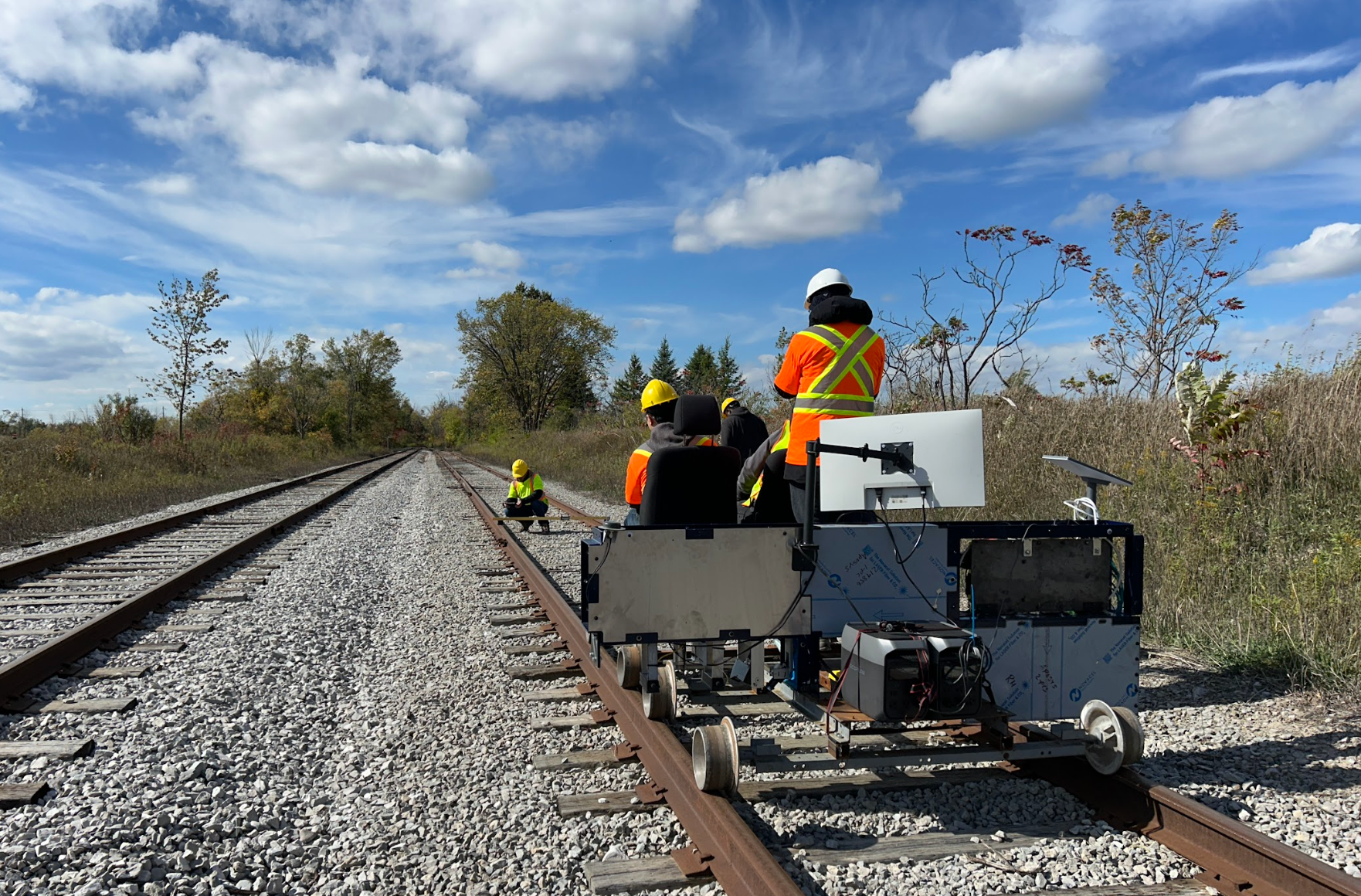
    A Network on the Edge Across North America, aging railway infrastructure is straining under heavier loads and harsher climates. According to the Association of American Railroads (2022), a nationwide rail service interruption could cost the U.S. economy more than US $2 billion per day, underscoring how dependent national productivity is on uninterrupted rail operations. In Canada, extreme weather disruptions are becoming a major economic burden, with damage to roads and railways projected to reach C$5.4 billion annually by mid-century, according to the Canadian Climate Institute. For operators like CN, CP, and TTC, every minute of downtime translates into lost revenue, logistical disruption, and reputational risk. The challenge isn't just fixing what breaks — it's foreseeing what will. Why Traditional Maintenance No Longer Works Track inspections today are still largely manual, periodic, and siloed. A visual inspection every few years can miss early-stage subsidence or ballast instability. Data from LiDAR, GPR, and climate sensors often lives in separate silos, making correlation and insight generation difficult. As a result, many defects are detected too late, forcing unplanned shutdowns and emergency repairs that cost up to 4× more than planned interventions. Operators increasingly recognize the need for a unified, data-driven system that continuously tracks, analyzes, and alerts. What the Industry Is Demanding Rail operators across North America are calling for a decisive shift from reactive maintenance to autonomous, data-driven inspection. They need systems that not only detect faults but interpret conditions in real time and guide timely decisions within active operations. This transformation also demands built-in climate resilience. With rising threats from flooding, frost heave, vegetation growth, and permafrost stress, operators require tools that adapt to changing environments rather than react to failures. The push is clear: Amtrak is moving toward condition-based maintenance but admits predictive analytics remain limited. TTC has made state-of-good-repair its top capital priority, while CN generates millions of inspection data points that still depend on manual interpretation Without automation, these insights remain underused—and risk turning into missed warnings. Industry consensus is clear: the next leap forward lies in AI-enabled inspection and predictive analytics that transform data into foresight. As Deloitte (2024) reports, improving infrastructure resilience with AI could prevent up to 15% of global infrastructure losses, equating to nearly US $70 billion in annual savings. The race to predictive resilience is no longer optional—it's essential. The Apollo Framework: Railway Infrastructure Monitoring Framework ApoSys's Apollo Framework addresses these industry demands while acknowledging that full forecasting is a longer path ahead. At present we deliver: Apollo Sense™, also known as the Autonomous Track Monitoring Unit (ATMU), for onboard autonomous sensing via LiDAR, GPR, and imaging. Apollo Cloud™, AI/ML engine for data reduction, anomaly detection, and predictive modeling. Apollo Dashboard™, a geospatial visualization hub linking live, historical, and environmental records. Together, they create a digital twin—and in advanced deployments, a digital triplet—of the entire network, enabling planners to simulate degradation, optimize budgets, and prevent failures before they occur. The Apollo Framework operates end-to-end, continuously tracking, analyzing, and alerting to provide a unified, data-driven view of infrastructure health. From Reactive to Predictive: Apollo in Action In deployments with Hudson Bay Railway, ApoSys demonstrated how autonomous, continuous monitoring can significantly reduce reliance on the traditional five-year inspection cycle, paving the way toward predictive, real-time asset management. Mounted ATMU units collected LiDAR, GPR, and thermal data without breaking operations, surfacing defects invisible to the naked eye. These deployments achieved: 5× increase in inspection coverage 80% reduction in engineering review time Up to 40% decrease in emergency repair spending Audit and compliance processes were streamlined through exportable, digital inspection reports. Smart Resilience for a Changing Climate Rail corridors in northern Canada and around the Great Lakes face growing risk from permafrost thaw, freeze-thaw cycles, and flooding. Warming of ground ice undermines soil strength, causing gradual deformation and settlement. The Apollo Framework is designed to incorporate satellite deformation mapping and weather nowcasts to alert operators when subgrade moisture or thermal gradients approach danger thresholds. Building on this capability, ApoSys is advancing toward an integrated predictive system that correlates hydrology, soil behavior, and traffic loads to forecast potential weak points — helping operators act before slow orders or track failures occur. A Transit Network Case in Point: TTC Toronto's transit network faces increasing maintenance pressure as many of its rail assets age. ApoSys's Apollo sensing model can enable continuous scanning of tunnels and surface tracks without disrupting service windows. Detected signal anomalies would be processed through an AI-driven risk dashboard, giving TTC's engineering teams the ability to prioritize interventions where they matter most — rather than reacting to failures or waiting for scheduled inspections. Economic and Environmental ROI Beyond safety, Apollo delivers measurable returns. Automation can cut inspection costs by up to 60%. Targeted interventions extend asset life. The system also reduces carbon footprints by minimizing manual patrols and heavy-machinery deployment. Furthermore, the data-driven approach supports ESG goals and investor reporting by quantifying infrastructure health over time. The Way Forward Many North American rail operators stand at a crossroads: modernize or lose operational resilience. The Apollo Framework provides a bridge — enabling today's operators to shift from periodic inspections to continuous monitoring, and toward tomorrow's vision: true prediction. For CN, CP, TTC, or Amtrak, Apollo is the foundation for rail modernization — where downtime is anticipated, not feared, and infrastructure becomes an intelligent network rather than a collection of risks.

    AI-Powered Culvert Monitoring for Railways: Revolutionizing Infrastructure Safety
    Blog

    AI-Powered Culvert Monitoring for Railways: Revolutionizing Infrastructure Safety

    By Pragya Saxena

    In Canada, when a culvert beneath the track fails, every minute of downtime can translate into thousands of dollars lost. A full national rail stoppage could cost C$341 million per day in economic activity. The implication: culverts are not just drainage features — they are critical infrastructure links whose failure jeopardizes the entire network. Hidden culvert risks like blockage from sediment, hydraulic throttling, or erosion-induced undermining gradually weaken embankments and subgrade. In many cases, trouble starts small and invisible, until it manifests in severe foundation compromise, track misalignment, or washouts after storms. Engineering studies show that excessive moisture infiltration and ballast fouling accelerate subgrade deformation, leading to track geometry deviations and component fatigue. A clogged culvert today can lead to sagging rails or differential settlement across sleepers tomorrow. The costs are real and growing. In Canada's asset-heavy sectors, unplanned downtime averages C$242,000 per hour. When multiplied across dozens or hundreds of culvert-related failures, emergency repairs, and service interruptions, the hidden budgetary drain quickly becomes a systemic liability. The Challenges in Railway Culvert Maintenance: Understanding the Risks and Costs Unpredictable Weather and Its Impact Severe rainfall and storm surges increasingly flood culverts buried beneath tracks. These systems are essential for drainage and erosion control, yet culvert blockages and washouts can cost operators millions annually in reactive maintenance and service disruption. Traditional inspection cycles, often conducted manually every few years, rarely catch early-stage degradation leaving operators exposed to sudden failures. Compliance and Safety Pressures Canadian railways must conduct regular visual and detailed culvert inspections to maintain drainage integrity, as required by Transport Canada's Guideline for Culvert Safety Management and the Rules Respecting Track Safety. These inspections are essential to prevent flooding and erosion that could compromise track foundations. In the United States, Federal Railroad Administration (FRA) safety regulations require that railway drainage systems be properly maintained to prevent water accumulation that can weaken track foundations. Complementing these frameworks, AREMA's railway engineering standards establish best practices for drainage design, ballast permeability, and culvert performance. Large Canadian operators manage between 30,000 and 50,000 culverts, each requiring inspection at least once every five years. Labor shortages, aging infrastructure, and remote locations make it difficult to sustain these schedules, increasing both compliance risk and derailment potential. The Cost of Inefficiency Manual inspections consume time and resources, leading to missed opportunities for preventive action. Emergency repair costs escalate quickly, often requiring more funding than planned maintenance. Rail operators need predictive maintenance solutions that combine efficiency, cost savings, and automation to transform culvert oversight into a manageable, proactive task. AI-Powered Culvert Monitoring: How ApoSys CIMAS Transforms Railway Safety Revolutionizing Inspection and Maintenance CIMAS eliminates the blind spots of traditional 5-year inspection cycles, enabling continuous compliance across entire networks. Using drone-mounted LiDAR, high-resolution imaging, and AI algorithms, the system detects sediment buildup, structural deformation, and blockages in real time. By integrating satellite flood mapping with historical hydrology data, CIMAS predicts where drainage or structural issues are likely to occur, allowing for targeted and proactive maintenance aligned with Transport Canada and AREMA standards. Benefits That Matter to Rail Operators Regulatory compliance: Continuous monitoring with audit-ready reports Safety gains: Reduced derailment risk from drainage-related subgrade failures. Operational efficiency: Field crews redeployed to high-priority work without sacrificing oversight. Built-In Product Advantages The system itself delivers measurable performance gains. Inspection throughput is increased by more than five times compared to manual methods, while engineering review time is reduced by up to 80 percent. By identifying issues early, CIMAS can lower emergency repair spending by up to 40 percent. Continuous and autonomous monitoring closes the gap left by periodic inspections, ensuring nothing is overlooked. Real-World Impact: Success Stories of AI Implementation in Railways Success in Northern Manitoba In Northern Manitoba, ApoSys deployed CIMAS with the Hudson Bay Railway, moving from infrequent manual checks to a data-driven approach. Operators now receive real-time insights on water levels, erosion, and vegetation, minimizing disruptions and ensuring compliance with Transport Canada standards. Strengthening Community Connectivity This deployment has also protected supply lines for Indigenous and northern communities, where uninterrupted rail service is vital. By maintaining reliability, CIMAS demonstrates how AI-powered culvert monitoring can support both railway operators and the communities they serve. The ROI of AI in Railway Culvert Monitoring By detecting issues early, CIMAS reduces these risks, lowers repair costs, and supports long-term planning. The system improves efficiency and safety while helping railways maintain compliance, allowing staff to focus on higher-priority maintenance rather than routine inspections. The time for action is now. With extreme weather events intensifying, rail operators cannot afford to leave culverts unchecked. Each year of delay raises the likelihood of costly failures, derailments, and compliance penalties. ApoSys Technologies' CIMAS transforms culvert management from a reactive task into a proactive safeguard. By combining compliance assurance, labor efficiency, cost savings, and continuous monitoring, CIMAS delivers both operational and financial resilience. For operators seeking to protect investments, ensure uninterrupted service, and maintain the trust of the communities they serve, adopting CIMAS today is not only a smart decision but an urgent necessity. Common Questions about AI Culvert Monitoring Q1: What happens to the data collected by CIMAS? All inspection data is stored securely on encrypted servers and can be shared directly with engineering teams for validation. Historical records are kept for trend analysis, which helps operators identify recurring problem zones and improve asset-management planning. Q2: Can CIMAS help with environmental sustainability goals? Yes. By preventing flooding and track washouts, CIMAS reduces the carbon footprint of emergency interventions and lowers the need for heavy-equipment redeployment. Continuous monitoring also minimizes habitat disruption by reducing unnecessary site visits. Q3: How quickly can rail operators start seeing value after deployment? Most operators observe measurable benefits within the first inspection cycle, usually three to six months. Early alerts help them prioritize repairs and optimize budgets well before annual audits or storm seasons. Q4: What's next for AI in railway infrastructure? Future versions of CIMAS are being designed to integrate real-time weather forecasts, satellite precipitation data, and predictive hydraulic modeling. This will allow systems to anticipate flooding events days in advance and automatically trigger field inspections or drainage adjustments.

    Press Release

    ApoSys Technologies Secures $2.2M Investment to Launch AI-Driven System for Climate-Resilient Canadian Railway

    MISSISSAUGA, ON — December 19, 2024 — ApoSys Technologies Inc., a leading disruptor in railway infrastructure inspection, is proud to announce the successful demonstration of the Apollo Framework, an automated track inspection system vital for safeguarding the resilience of rail infrastructure. This groundbreaking project, developed in partnership with Tshiuetin Rail Transportation and the Government of Ontario through the Ontario Vehicle Innovation Network (OVIN), was fueled by a total investment exceeding $2.2 million, including $747,000 from the province and nearly $1.5 million from industry partners. Addressing the $2.8 Billion Climate Challenge With rising maintenance costs reaching $2.8 billion due to escalated freeze-thaw cycles and receding permafrost, the Apollo Framework provides a crucial solution for predictive maintenance. The system comprises the Apollo Sense (hardware) and Apollo Analyze (analytics engine). It integrates LiDAR, Ground Penetrating Radar (GPR), temperature sensors, and satellite imagery mounted on locomotives to map railway networks. This advanced approach delivers AI-driven insights that vastly improve defect detection and the ability of railways to handle excessive dynamic loading, avoiding costly derailments and track outages. "This proudly Ontario-made innovation will not only transform the way people and goods are transported across the province and beyond but reinforce Ontario's position as a global leader in the development and adoption of transportation technologies that are critically needed in these times." — Raed Kadri, Head of OVIN Industry Validation and Strategic Impact The project's success is a testament to strong industry collaboration: Tshiuetin Rail Transportation affirmed the value of the solution: "ApoSys' affordable technology can inspect the track and measure the system behavior to reduce the potential risks, improve safety, enhance efficiency, and save substantial costs," said James Bérubé, General Manager and Chief Operating Officer. Hudson Bay Railway (HBRY) has also been leveraging ApoSys technology, conducting a pilot project in northern Manitoba, scanning over 1,200 km of railway and providing critical insights on melting permafrost. The technology was recognized by Transport Canada under both the Rail Climate Change Adaptation Program and the Rail Safety Improvement Program for its potential to mitigate climate change impacts. "The Apollo Framework is precisely what Canada's rail network needs — a scalable, data-centric solution that tells us exactly where we should focus our resources to maintain our track infrastructure and substructure. ApoSys offers us predictive visibility through advanced technology, and I'm excited to be a part of their journey to bring the inspection process to the next level." — Tony Marquis, Railroad Operations Specialist and Director of Metrolinx Looking Ahead "I'm proud of how far we have come," said Oliver Wang, ApoSys CEO. "I'm grateful that the OVIN Partnership Fund is able to provide funding support and connections to embark on critical pilot projects, so that ApoSys can be a trailblazer of railway inspection solutions all around the world." This strategic investment highlights Ontario's commitment to advancing smart, sustainable transportation, strengthening the province's position as a global hub for cutting-edge mobility solutions. About ApoSys Technologies ApoSys Technologies is a leading Canadian disruptor dedicated to revolutionizing the railway infrastructure inspection sector. Its Apollo Framework harnesses state-of-the-art technologies including LiDAR, GPR, AI, and satellite imaging, enabling railway operators to access real-time monitoring, predictive maintenance, and heightened weather/climate resilience. About OVIN The Ontario Vehicle Innovation Network (OVIN) is an initiative of the Government of Ontario, led by the Ontario Centre of Innovation (OCI), designed to reinforce Ontario's position as a North American leader in advanced automotive technology and smart mobility solutions. Media Contact Pragya Saxena Pragya.Saxena@aposystech.com Original Publication Link: https://www.ovinhub.ca/ontario-invests-in-aposys-technologies-to-secure-the-survival-of-canadian-railways/ on 18 December 2024

    Press Release

    ApoSys Technologies Wins $15,000 at Communitech Showcase for AI-Driven Sewage Monitoring

    HAMILTON, Ontario, November 22, 2024 — ApoSys Technologies is proud to announce a $15,000 cash prize win at the Communitech Fast Track Cities Showcase Event, held at the Kitchener Public Library. Our team was recognized for pitching our market-ready autonomous system designed to transform how municipalities inspect and maintain essential infrastructure. The event, a collaboration between Communitech Fast Track Cities, the City of Kitchener's Pitch Kitchener program, and the Municipal Innovation Council, brought together Canadian founders with solutions aimed at improving city services and managing rapid urban growth. The Problem: Infrastructure We Can't Keep Up With The Showcase highlighted a critical challenge facing municipalities today: aging infrastructure, from roads to bridges and sanitation systems, is struggling to keep pace with growing populations. As noted by ConeLabs co-founder and CEO Albert Mansour at the event, "Each one of these structures needs to be inspected. The problem? We can't keep up." The national call for solutions focused on areas like AI for administrative efficiency, innovating transportation, and—critically—Inspection of larger sanitary trunk sewer systems and Autonomous technology solutions. The ApoSys Solution: High-Precision Monitoring from the Inside Out ApoSys Technologies was selected as one of the top 10 Canadian founders for our specialized approach to infrastructure inspection. Our pitch focused on our autonomous systems for high-precision sewage monitoring. Our AI capabilities enable: Defect Detection: Real-time, high-precision identification of subtle and critical faults within the sewage network. Predictive Maintenance: Shifting maintenance from reactive emergency repairs to proactive, data-driven scheduling. Enhanced Safety: Reducing the need for manual, high-risk human inspections. Our commitment to enhancing municipal safety and efficiency was recognized by the judging panel, who awarded ApoSys a $15,000 prize for the strength of our pitch and the market readiness of our solution. "Municipalities must be at the forefront of adopting innovations," said Kitchener City Councillor Scott Davey. Building Smarter Cities Together ApoSys Technologies is excited to be part of this vibrant ecosystem of innovators. Our success at the Fast Track Cities Showcase underscores the urgent demand for smart, autonomous systems that can help cities build resilience and meet the demands of the 21st century. We congratulate the other top winners, ConeLabs Inc. (securing the $25,000 top prize and Audience Choice Award) and Real Life Robotics (receiving $10,000), and look forward to continued collaboration with Communitech, the City of Kitchener, and the Municipal Innovation Council. The Fast Track Cities Solution Showcase is supported by EY, the City of Kitchener, the Municipal Innovation Council and its member municipalities of Bruce County, Ontario Centre of Innovation, OVIN, and the Government of Ontario. Media Contact Pragya Saxena Pragya.Saxena@aposystech.com

    Aposys Technologies Secures NGen Funding for Moonshot for Mining Project in $59M Advanced Manufacturing Push
    Press Release

    Aposys Technologies Secures NGen Funding for Moonshot for Mining Project in $59M Advanced Manufacturing Push

    HAMILTON, Ontario, August 13, 2024 — NGen (Next Generation Manufacturing Canada) has announced significant funding for 15 new advanced manufacturing projects valued at $59 million, and we are thrilled to announce that Aposys Technologies is among the innovators selected. Our consortium project, UGPS for Space Exploration, has been awarded funding under the "Moonshot for Mining, Minerals, and Manufacturing" stream, positioning Aposys Technologies at the forefront of Canada's most ambitious space-based technological endeavors. This investment supports 31 companies across the country, building on NGen's remarkable track record: to date, their cluster projects have resulted in a $7.2 billion in new sales and the creation of 3,901 direct jobs—a testament to the power of Canadian advanced manufacturing. Tackling Big Challenges: From Quantum to the Moon This latest cohort of projects is divided across three critical sectors for Canada's future economy: the Commercialization of Quantum Technologies, the Electric Vehicle Value Chain Program, and the Moonshot for Mining, Minerals, and Manufacturing. NGen CEO Jayson Myers summarized the scope of this work: "From the development of new quantum technologies for manufacturing to mining on the moon, Canada's advanced manufacturing ecosystem is tackling big challenges." Aposys Leads the Way in Space Navigation Under the Moonshot stream, Aposys Technologies, in partnership with Cheetah Networks, is focused on the UGPS for Space Exploration project. This vital work will leverage our advanced capabilities in positioning and sensing for terrestrial applications—such as autonomous track monitoring for railways—and adapt them for the extreme, infrastructure-sparse environments of space. This project directly aligns with the mission to enable autonomous operations in extraterrestrial mining and exploration, a theme that has inspired the entire Moonshot program. Our involvement underscores the versatility and cutting-edge nature of the autonomous systems developed here at Aposys. Moonshot for Mining, Minerals, and Manufacturing Total Project Value: $4.6M Aposys Project: UGPS for Space Exploration Partners: Cheetah Networks (Ottawa, ON) Driving Canada's Global Competitiveness This funding is a direct investment in the kind of cross-sector innovation that builds resilience and competitiveness. "Our government is proud to collaborate with NGen to accelerate innovation and advancements in support of our key advanced manufacturing sectors like quantum and electric vehicles," said the Honourable François-Philippe Champagne, Minister of Innovation, Science and Industry. "Projects like these advance the development and adoption of cutting-edge solutions and deliver important benefits to Canadians while creating jobs and contributing to economic growth, demonstrating Canada's world-leading capabilities in manufacturing and technology." Aposys Technologies is proud to contribute our expertise to this national effort. By applying our knowledge in high-precision monitoring and autonomous systems to the space sector, we are not just building a product; we are helping to build Canada's world-leading advanced manufacturing capabilities and securing our role in the global future of mining and space exploration. About NGen NGen is the industry-led not-for-profit organization that leads Canada's Global Innovation Cluster for Advanced Manufacturing. Its mandate is to help build world-leading advanced manufacturing capabilities for the benefit of Canadians. www.ngen.ca/membership

    Safeguarding Railways against Climate Change with Big Data
    Blog

    Safeguarding Railways against Climate Change with Big Data

    By Pragya Saxena

    Climate change is one of the most pressing challenges of our time, and its impacts are being felt across various sectors, including railway operations. The need for resilience in rail infrastructure is paramount as extreme weather events become more frequent and intense. Resilience ensures that railway systems can withstand and recover from disruptions, maintaining reliable and efficient transportation services. In this article, we will explore how big data will play a crucial role in enhancing railway operations' resilience amidst climate change. Understanding the impact of climate change on rail infrastructure Climate change poses significant risks to rail infrastructure. Rising temperatures can cause thermal expansion of tracks, leading to buckling and misalignment. Heavy rainfall and flooding can damage tracks, bridges, and signaling systems, disrupting train services. Particularly for Canada, the melting of permafrost and the degradation of peatlands can undermine the stability of rail foundations, increasing the risk of track settlement and derailments. Permafrost and peatlands are two climate change-related challenges that have significant implications for railway operations. Permafrost, which is perennially frozen ground, is thawing due to rising temperatures, leading to ground subsidence and instability. Peatlands, which are carbon-rich wetlands, are also experiencing degradation, causing land settlement and increased flood risk. Big data can help address these challenges by monitoring ground temperature and moisture levels, detecting early signs of thawing or degradation. With this information, railway operators can implement targeted measures such as insulation techniques or drainage systems to mitigate the impact on rail infrastructure. On 25 May 2020, there was a derailment near Ignace, Ontario, that involved 53 train cars. Investigations led by Canada's Transportation Safety Board (TSB) strongly suggested that soft and saturated subgrades were the cause. This lack of visibility severely hampers the ability of railway operators to direct resources towards rail sections that need them the most. Climate change also affects the rail tracks itself and the surrounding natural environment. There was a 2019 derailment in Faust, Alberta that involved 21 tank cars. The TSB found that fluctuating temperatures had led to large compressive and tensile longitudinal forces to cause continuous welded rails (CWR) to expand rapidly, bend and misalign. These high ambient temperatures were largely unprecedented, and is believed to be a result of global warming trends. Another phenomenon is ice jacking; as ice melts, water can accumulate at the base of the tracks, leading to pooling. Over time, freeze-thaw cycles result in the formation of ice buildup, making rails susceptible to gauge spreading when a train passes. These conditions pose a heightened risk for derailments, particularly as the frequency and intensity of freeze-thaw cycles increase with the changing climate. There is a nascent understanding of how global warming affects rail conditions over time. In order to effectively address these challenges, railway operators need accurate and timely data to inform proactive decision-making. The role of big data in enhancing railway operations Big data analytics can revolutionize railway operations by providing valuable insights into the performance and condition of infrastructure assets. By collecting and analyzing vast amounts of data from various sources, such as sensors, satellites, and historical records, railway operators can gain a comprehensive understanding of their network's vulnerabilities and optimize maintenance strategies accordingly. Specific to ApoSys, our proprietary machine learning algorithms will compare past inspection alongside real-time sensor inputs; these can predict when crucial components like tracks or rolling stock might require maintenance. Potential failures are identified timely, of which this proactive approach minimizes downtime, reduces maintenance costs, and enhances passenger safety. These algorithms also incorporate local environmental and surrounding asset data to quantitatively understand how climate change impacts the rail infrastructure. In the long-term, high-resolution climate models are developed to preemptively alert railway operators to direct resources towards safeguarding it. All this is possible thanks to our Autonomous Track Measurement Unit (ATMU). It forms the basis of our Apollo Framework, and integrates a suite of heterogeneous sensors like LiDAR, GPR, and high-speed cameras that can achieve a 90% defect detection rate, enhancing visibility for maintenance crews. Its modular, portable design allows for easy installation under train carriages, optimizing space for sensors, ensuring that data is collected in real-time, under real-life conditions. It's time to embrace big data By providing valuable insights, improving maintenance strategies, enhancing safety, and enabling proactive decision-making, big data analytics can help railway operators adapt to the challenges posed by extreme weather events and changing environmental conditions. Our efforts to integrate innovative technologies through the ATMU will augment the ability to collect data and analyze it. The future of resilient railway operations lies in embracing big data and leveraging its power to build a sustainable and efficient rail network. Let's go full steam ahead to transform the railway sector — contact us today to explore the ApoSys advantage.

    Implementing a Predictive Maintenance Strategy for Railways
    Blog

    Implementing a Predictive Maintenance Strategy for Railways

    By Pragya Saxena

    If you've read our thoughts on how predictive maintenance can change the railway industry, you'll realize that seamlessly integrating these strategies into your daily operations is critical to minimize costly downtimes and increase your overall efficiency. We recently covered what technologies could be used to implement these strategies, and now we will delve into the steps that ApoSys takes with our railway partners to develop and effectively implement a predictive maintenance strategy for them. Step 1: Identify Maintenance Goals and Set Baseline Standards The first step in developing a predictive maintenance strategy is to define clear objectives and key performance indicators (KPIs). This involves identifying the specific goals the system aims to achieve, such as reducing downtime, improving asset reliability, or optimizing maintenance costs. KPIs must be established to measure the system's effectiveness and track progress toward these defined objectives. For rail tracks, it can be especially tedious to monitor their condition and identify the extent of repairs needed. Even with specialized hi-rail geometry vehicles, there are major inconveniences: roadmasters can only inspect when locomotives are not operating, and limited vehicle assets slow down the inspection rate, hindering the overall maintenance cycle. The data received from every locality is often regressive, so how accurate can it really be? When working with our railway partners, we make sure to form a baseline scan of their rail network before establishing allowable thresholds and monitoring (in real-time) any changes in rail condition after each locomotive trip. Our Autonomous Track Measurement Unit (ATMU) integrates a variety of IoT sensors like LiDARs, high-speed cameras, GPS, and Ground Positioning Radar (GPR). Installed at the undercarriage of locomotives, railway operators receive real-time data on the state of sleeper ties, temperature, vibration, pressure, wear, and subgrade conditions. This wealth of data forms the bedrock for predictive analysis and informed decision-making. Step 2: Data Integration and Centralization Accumulating data is only valuable when it's effectively processed and analyzed according to the defined KPIs and outcomes. At ApoSys, we work closely with our railway partners to integrate advanced data analytics techniques with the raw data collected, transforming it into actionable insights. Once our railway partners have enough baseline data after the first few runs, we leverage our proprietary machine learning algorithms and big data analytics to process the extensive information generated by the ATMU. These algorithms develop accurate predictions based on historical data, environmental factors, and usage patterns. Anomalies and potential failures are flagged out, empowering railway operators to optimize their maintenance strategies based on data-driven insights. Over time, the constant monitoring of rail networks enables our predictive models to evolve and become more accurate. To ensure this data-centric process remains efficient, we employ data reduction techniques to optimize the amount of data processed. This prevents our partners from being bogged down with unnecessary storage or processing costs and makes it faster for them to act upon the collected data. Step 3: Decision-making and Optimization Based on the insights generated, ApoSys works closely to advise our clients on how they should develop their maintenance workflows and scheduling. This involves defining the maintenance actions to be taken for different scenarios, such as replacing worn-out components, adjusting track parameters, or conducting specific inspections. Maintenance schedules are optimized based on the actual condition of assets, ensuring maintenance activities are performed at the most appropriate time. Within the maintenance teams, ApoSys will ensure they are familiarized with the predictive maintenance software and tools and trained in interpreting the insights generated by the system. Our in-house developed dashboard will be tailored to engage our users in an intuitive and seamless manner. In the long term, once the predictive maintenance system is implemented, ApoSys will work closely with our partners to monitor its performance and actively improve it. KPIs will be tracked to assess the system's effectiveness and identify areas for improvement. It is the ApoSys Ambition to align our innovation cycles closely with the evolving needs of our partners. Closing Thoughts In the realm of railway maintenance, predictive strategies are the key to unlocking operational excellence. ApoSys leads this revolution, showcasing the profound impact of integrating IoT sensors, big data analytics, and machine learning algorithms. By using our process as a guide, railway operators can embark on a transformative journey toward predictive maintenance excellence. By embracing technology, redefining maintenance practices, and ensuring smoother operations, we are poised to reshape the future of railway maintenance. Connect with us today to embark on this transformative journey together!

    Key Technologies Used in Predictive Maintenance for Railways
    Blog

    Key Technologies Used in Predictive Maintenance for Railways

    By Pragya Saxena

    In the fast-evolving world of railway maintenance, ensuring seamless railway operations while minimizing downtime is crucial. Predictive maintenance is emerging as the go-to solution, enabling proactive identification of potential issues before they escalate into costly disruptions. ApoSys leads the way in this transformative approach, using cutting-edge technologies and data analytics to redefine railway maintenance processes. But how exactly will we achieve it? Read on and find out about the key technologies ApoSys uses to drive predictive maintenance for railways and their potential impact on operational efficiency and reliability. Internet of Things (IoT) Sensors Internet of Things (IoT) sensors form the backbone of predictive maintenance systems in railways. These sensors are deployed throughout the railway system to collect data on the performance and condition of assets. They can measure parameters such as temperature, vibration, pressure, and wear, providing valuable insights into the health of the assets. IoT sensors are designed to be rugged and capable of operating in harsh environments, ensuring reliable data collection even in challenging conditions. At ApoSys, we embrace the transformative potential of IoT sensors for predictive maintenance in railways. On our Autonomous Track Measurement Unit (ATMU), we deploy a wide range of smart industrial sensors, such as LiDARs, high-speed cameras, GPS, and Ground Positioning Radar (GPR). Real-time data is collected through these sensors and integrated using our advanced machine learning algorithms. By continuously monitoring these rail assets, these sensors allow us to identify potential faults and anomalies early on. This proactive approach minimizes downtime, reduces maintenance costs, and enhances the reliability of railway operations. Resources are allocated where they are most needed, leading to cost savings and improved operational efficiency. Machine Learning Algorithms The massive amounts of data generated by IoT sensors in railway systems require advanced analytics techniques to extract meaningful insights. Big data analytics involves processing and analyzing large volumes of data to identify patterns, anomalies, and trends. Machine learning algorithms and statistical models are used to analyze the data and predict potential failures. By leveraging big data analytics, railway operators can gain valuable insights into asset performance, identify areas for improvement, and optimize maintenance strategies. On a strategic level, they can better forecast their budgets accordingly. ApoSys harnesses the power of big data analytics to deliver unparalleled value in the realm of predictive maintenance. Data from our wide range of sensors is analyzed over time to provide detailed recommendations on the actions that maintenance crews should take in the respective localities. This even includes local climate data, which provides insights on how the environment impacts rail conditions. Our advanced analytics methodologies empower railway operators with a long-term climate model that accurately predicts potential equipment failures. This is a big driver of predictive maintenance, which allows for condition-based repairs, enabling railway operators to embrace data-driven decision-making, optimized maintenance practices, and enhanced asset performance. Remote Monitoring and Control Systems Remote monitoring and control systems enable real-time monitoring of assets and the collection of data from IoT sensors. These systems provide a centralized platform for monitoring the condition of assets, analyzing data, and triggering maintenance actions. Remote monitoring and control systems can also integrate with other railway systems, such as signaling and maintenance management systems, to streamline operations and improve overall efficiency. Since all the data from our ATMU is automated, ApoSys is able to provide roadmasters with instantaneous data insights from a centralized base. This transformative approach empowers roadmasters with a comprehensive overview of the entire rail network, streamlining communication with separate maintenance crews. By receiving real-time data insights, roadmasters can prioritize repairs effectively, ensuring timely and targeted maintenance activities. There will be greater synergy and tighter coordination among teams, ensuring that roadmasters are more productive than they would be by operating a high-rail geometry truck vehicle. Predictive Maintenance Software and Tools Predictive maintenance software and tools are essential components of these systems in railways. ApoSys has prioritized the development of an intuitive and user-focused dashboard. Providing a user-friendly interface for visualizing data, analyzing trends, and generating maintenance recommendations will ensure that users have precisely what they need to make informed planning decisions. They can also generate reports and notifications to alert maintenance teams about potential issues. By avoiding the risk of overlooking crucial data or misinterpreting it, ApoSys equips key decision-makers with the confidence to make informed, data-driven choices. How Might ApoSys Benefit You? Embracing transformative technologies is the key to optimizing railway maintenance and operational efficiency. ApoSys Technologies stands at the forefront of this revolution, offering a comprehensive suite of solutions that harness the power of IoT sensors and big data analytics. By seamlessly integrating predictive maintenance strategies, ApoSys empowers railway operators with proactive insights, reduced downtime, and enhanced passenger satisfaction. The ApoSys advantage lies in our commitment to understanding the unique needs of each railway system. Our customized solutions are tailored to address individual challenges and capitalize on opportunities for improvement. As the railway industry moves towards a future of data-driven decision-making, ApoSys Technologies is your trusted partner on this transformative journey. We invite you to contact us for a personalized discussion on how ApoSys can benefit your railway operations. Together, we can unlock the full potential of IoT sensors and big data analytics, paving the way for a smoother journey towards enhanced operational efficiency and a successful future. Let's embark on this transformative railway journey together — contact us today to explore the ApoSys advantage.

    The Power of Predictive Maintenance in Revolutionizing Operations
    Blog

    The Power of Predictive Maintenance in Revolutionizing Operations

    By Pragya Saxena

    In the fast-paced world of railways, ensuring uninterrupted operations is crucial. From delivering goods to transporting passengers, the railway industry plays a vital role in keeping the world moving. However, maintaining the vast network of tracks, locomotives, and infrastructure poses numerous challenges. That's where the power of predictive maintenance comes into play. By harnessing the potential of advanced technologies and data analytics, railways can revolutionize their operations. Predictive maintenance allows for proactive identification of potential faults and failures, enabling timely interventions and minimizing downtime. This not only improves the reliability and safety of the railway network but also enhances efficiency and reduces costs. Today, we will delve into the transformative impact of predictive maintenance in keeping railways on track and explore how ApoSys can catalyze this revolution. Traditional Maintenance vs. Predictive Maintenance Traditionally, railways have relied on reactive or preventive maintenance practices. Reactive maintenance involves fixing issues as they occur, leading to unplanned downtime and disruptions in service. Preventive maintenance, on the other hand, follows a fixed schedule of routine inspections and repairs, regardless of the actual condition of the assets. This approach often leads to unnecessary maintenance and increased costs. Predictive maintenance, however, takes a proactive approach by utilizing real-time data and advanced analytics to predict and prevent failures before they occur. By continuously monitoring the condition of assets, including tracks, locomotives, and signaling systems, predictive maintenance can identify potential issues and trigger maintenance actions at the right time. This approach significantly reduces downtime, improves asset reliability, and optimizes maintenance costs. The importance of predictive maintenance in railway operations cannot be overstated. With a vast network of tracks and infrastructure, railways face the challenge of managing and maintaining numerous assets spread across extensive geographical areas. The timely detection and resolution of faults are critical to ensure the smooth functioning of the railway system, prevent accidents, and enhance customer satisfaction. Predictive maintenance enables railways to stay ahead of potential failures and address them proactively, leading to safer and more efficient operations. How Predictive Maintenance Works in the Railway Industry Predictive maintenance in the railway industry relies on advanced technologies and data analytics to monitor and analyze the condition of assets in real time. Various sensors, such as accelerometers, temperature sensors, and vibration sensors, are deployed throughout the railway system to collect data on the performance and condition of assets. These sensors continuously measure parameters such as temperature, vibration, and wear, providing valuable insights into the health of the assets. The data collected by the sensors is then transmitted to a central monitoring system, where it is processed and analyzed using sophisticated algorithms and machine learning techniques. These algorithms can detect patterns and anomalies in the data, allowing for the identification of potential faults and failures. By analyzing historical data and comparing it with real-time data, predictive maintenance systems can predict the remaining useful life of assets and recommend the most appropriate maintenance actions. Once potential issues are identified, maintenance teams can be alerted to take proactive measures. This can involve scheduling maintenance activities during planned downtime, replacing worn-out components, or addressing minor issues before they escalate into major failures. By addressing issues at the earliest possible stage, railways can avoid costly repairs, minimize disruptions in service, and ensure the safety of passengers and cargo. Advantages of Implementing Predictive Maintenance in Railways The implementation of predictive maintenance in railways offers numerous advantages over traditional maintenance practices. Reduces Unplanned Downtime: Proactive identification and addressing of potential failures minimizes unexpected breakdowns, leading to improved asset reliability and service availability. Optimizes Maintenance Activities: Predicting the remaining useful life of assets allows maintenance to be scheduled based on actual condition rather than fixed dates, reducing unnecessary work and increasing efficiency. Enhances Safety: Continuous monitoring of assets (tracks, signaling, rolling stock) identifies potential safety risks and anomalies early, helping to prevent accidents and ensure the well-being of passengers and crew. Lowers Overall Costs: Minimizing unplanned downtime and eliminating unnecessary maintenance tasks leads to significant cost reduction, avoiding major repair expenses and financial losses from service disruptions or delays. How does ApoSys come in? Predictive maintenance has emerged as a game-changer in the railway industry, revolutionizing operations and maximizing efficiency like never before. ApoSys has a state-of-the-art Autonomous Track Measurement Unit that encompasses a range of sensors that collects data in real-time, transforming them into actionable insights. Railway operators can now harness the power of real-time data analytics, proactive maintenance strategies, and predictive insights to keep their tracks clear, trains running smoothly, and costs optimized. Embracing ApoSys means embarking on a journey towards a safer, more reliable, and sustainable railway network, poised to meet the demands of tomorrow's transportation landscape. Let's talk and discover how ApoSys can scale your railway operations to new heights and propel your business towards a future of success and innovation.

    MICA: Closing Canada's Mining Innovation Gap with C$112.4M Investment
    Press Release

    MICA: Closing Canada's Mining Innovation Gap with C$112.4M Investment

    A major initiative is underway to transform Canadian mining: the Mining Innovation Commercialization Accelerator (MICA) network. Launched with a total project investment of C$112.4 million—including a significant C$40 million commitment from the Government of Canada—MICA is set to become the central force in developing and commercializing autonomous and clean technologies for the mining sector. Led by the Centre for Excellence in Mining Innovation (CEMI), MICA builds on decades of experience, including the successful Ultra-deep Mining Network (UDMN, 2014-2019). Its mission is clear: to rapidly scale up home-grown Canadian Small-to-Medium Enterprises (SMEs) and secure Canada's competitive edge in the global supply chain. A Systems-Led Approach to Disruptive Innovation MICA is not simply about funding new ideas; it's about solving the industry's biggest business problems with integrated, systemic technology solutions. As CEMI President and CEO, Doug Morrison, explains, the focus is on performance over incremental change. "The fastest way to produce more metal, more cheaply is to support the development and implementation of the technologies that make this happen... Disruptive solutions are, often, too uncomfortable for many companies to consider but they are absolutely necessary." MICA is targeting projects that are closer to market (higher Technology Readiness Level), ensuring that new innovations translate quickly into real-world results. MICA's Four Strategic Themes: Increase mine production capacity, at lower cost. Reduce mining energy consumption and greenhouse gas emissions. Implement smart, autonomous mining systems. Reduce tailings environmental risk and long-term liabilities. Bridging the Gap and Driving Economic Impact One of MICA's primary roles is helping innovative SMEs navigate the journey from idea to market. CEMI assists companies in addressing non-technical hurdles—such as IP, marketing, and investment issues—by connecting them with specialized resources. This national collaborative approach, headquartered in Sudbury, Ontario, and operating through partners across the country, is poised to deliver significant economic and social returns: Mobilization of at least C$100 million in private sector investment. Support for the creation of 900 jobs and at least 12 new businesses. Commercialization of at least 30 new products, services, or processes. Ultimately, MICA's strategic purpose is to ensure the Canadian mining industry can meet the soaring global demand for the minerals and metals required for the Green Transition to a low-carbon economy. This network is a crucial step in delivering more ore value, lower cost per tonne, and faster project approvals to secure a sustainable future. Media Contact Pragya Saxena Pragya.Saxena@aposystech.com Learn more about the MICA Network and its partners: Read the original publication on IM at: https://issuu.com/forestindustry/docs/september21_rev_/s/13309558