AI-Powered Culvert Monitoring for Railways: Revolutionizing Infrastructure Safety
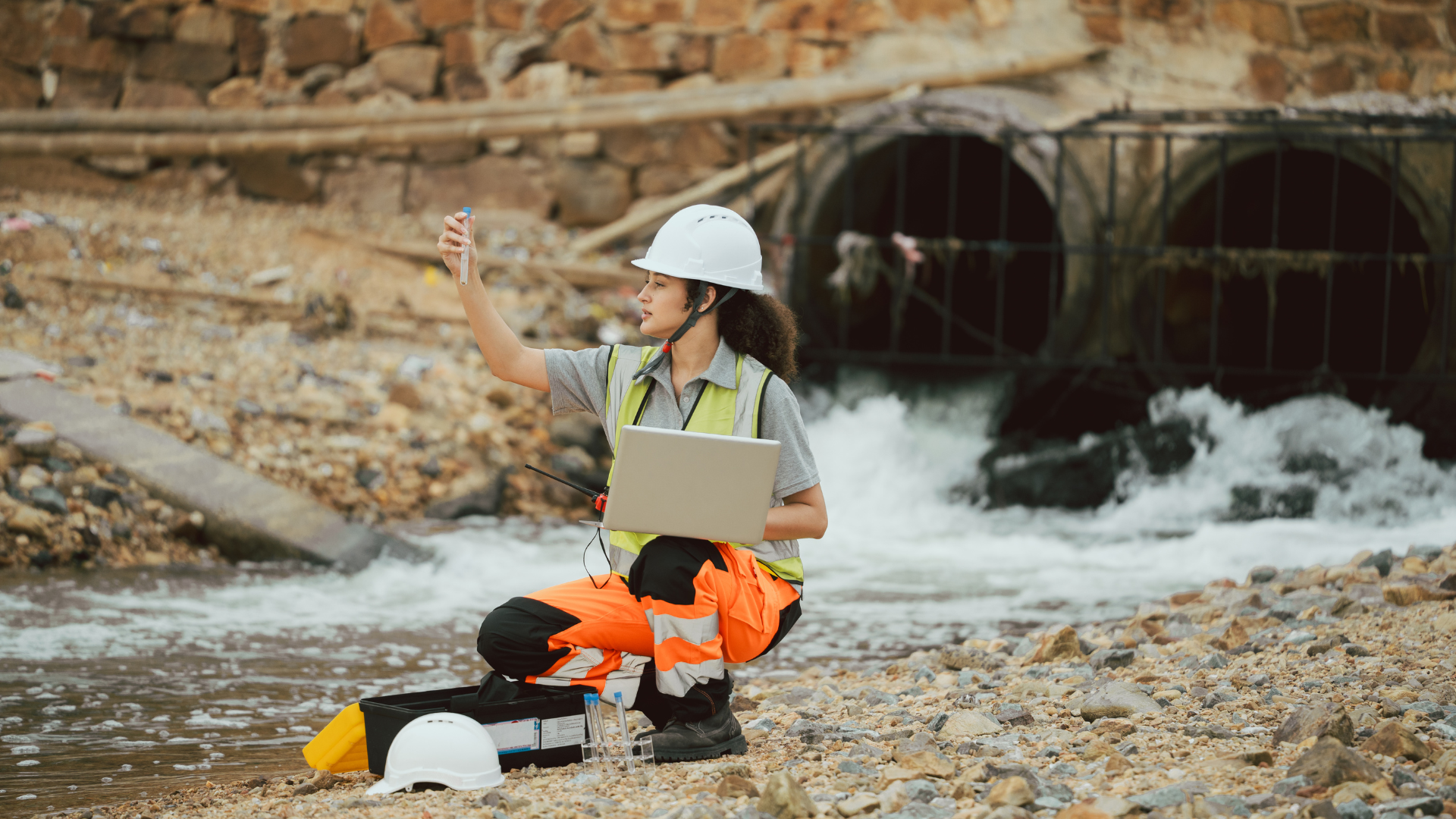
In Canada, when a culvert beneath the track fails, every minute of downtime can translate into thousands of dollars lost. A full national rail stoppage could cost C$341 million per day in economic activity. The implication:
culverts are not just drainage features — they are critical infrastructure links whose failure jeopardizes the entire network.
Hidden culvert risks like blockage from sediment, hydraulic throttling, or erosion-induced undermining gradually weaken embankments and subgrade. In many cases, trouble starts small and invisible, until it manifests in severe foundation compromise, track misalignment, or washouts after storms.
Engineering studies show that excessive moisture infiltration and ballast fouling accelerate subgrade deformation, leading to track geometry deviations and component fatigue. A clogged culvert today can lead to sagging rails or differential settlement across sleepers tomorrow.
The costs are real and growing. In Canada's asset-heavy sectors, unplanned downtime averages C$242,000 per hour. When multiplied across dozens or hundreds of culvert-related failures, emergency repairs, and service interruptions, the hidden budgetary drain quickly becomes a systemic liability.
The Challenges in Railway Culvert Maintenance: Understanding the Risks and Costs
Unpredictable Weather and Its Impact
Severe rainfall and storm surges increasingly flood culverts buried beneath tracks. These systems are essential for drainage and erosion control, yet culvert blockages and washouts can cost operators millions annually in reactive maintenance and service disruption.
Traditional inspection cycles, often conducted manually every few years, rarely catch early-stage degradation leaving operators exposed to sudden failures.
Compliance and Safety Pressures
Canadian railways must conduct regular visual and detailed culvert inspections to maintain drainage integrity, as required by Transport Canada's Guideline for Culvert Safety Management and the Rules Respecting Track Safety. These inspections are essential to prevent flooding and erosion that could compromise track foundations.
In the United States, Federal Railroad Administration (FRA) safety regulations require that railway drainage systems be properly maintained to prevent water accumulation that can weaken track foundations. Complementing these frameworks, AREMA's railway engineering standards establish best practices for drainage design, ballast permeability, and culvert performance.
Large Canadian operators manage between 30,000 and 50,000 culverts, each requiring inspection at least once every five years. Labor shortages, aging infrastructure, and remote locations make it difficult to sustain these schedules, increasing both compliance risk and derailment potential.
The Cost of Inefficiency
Manual inspections consume time and resources, leading to missed opportunities for preventive action. Emergency repair costs escalate quickly, often requiring more funding than planned maintenance. Rail operators need predictive maintenance solutions that combine efficiency, cost savings, and automation to transform culvert oversight into a manageable, proactive task.
AI-Powered Culvert Monitoring: How ApoSys CIMAS Transforms Railway Safety
Revolutionizing Inspection and Maintenance
CIMAS eliminates the blind spots of traditional 5-year inspection cycles, enabling continuous compliance across entire networks.
Using drone-mounted LiDAR, high-resolution imaging, and AI algorithms, the system detects sediment buildup, structural deformation, and blockages in real time.
By integrating satellite flood mapping with historical hydrology data, CIMAS predicts where drainage or structural issues are likely to occur, allowing for targeted and proactive maintenance aligned with Transport Canada and AREMA standards.
Benefits That Matter to Rail Operators
- Regulatory compliance: Continuous monitoring with audit-ready reports
- Safety gains: Reduced derailment risk from drainage-related subgrade failures.
- Operational efficiency: Field crews redeployed to high-priority work without sacrificing oversight.
Built-In Product Advantages
The system itself delivers measurable performance gains. Inspection throughput is increased by more than five times compared to manual methods, while engineering review time is reduced by up to 80 percent.
By identifying issues early, CIMAS can lower emergency repair spending by up to 40 percent.
Continuous and autonomous monitoring closes the gap left by periodic inspections, ensuring nothing is overlooked.
Real-World Impact: Success Stories of AI Implementation in Railways
Success in Northern Manitoba
In Northern Manitoba, ApoSys deployed CIMAS with the Hudson Bay Railway, moving from infrequent manual checks to a data-driven approach. Operators now receive real-time insights on water levels, erosion, and vegetation, minimizing disruptions and ensuring compliance with Transport Canada standards.
Strengthening Community Connectivity
This deployment has also protected supply lines for Indigenous and northern communities, where uninterrupted rail service is vital. By maintaining reliability, CIMAS demonstrates how AI-powered culvert monitoring can support both railway operators and the communities they serve.
The ROI of AI in Railway Culvert Monitoring
By detecting issues early, CIMAS reduces these risks, lowers repair costs, and supports long-term planning. The system improves efficiency and safety while helping railways maintain compliance, allowing staff to focus on higher-priority maintenance rather than routine inspections.
The time for action is now. With extreme weather events intensifying, rail operators cannot afford to leave culverts unchecked. Each year of delay raises the likelihood of costly failures, derailments, and compliance penalties. ApoSys Technologies' CIMAS transforms culvert management from a reactive task into a proactive safeguard.
By combining compliance assurance, labor efficiency, cost savings, and continuous monitoring, CIMAS delivers both operational and financial resilience. For operators seeking to protect investments, ensure uninterrupted service, and maintain the trust of the communities they serve, adopting CIMAS today is not only a smart decision but an urgent necessity.
Common Questions about AI Culvert Monitoring
Q1: What happens to the data collected by CIMAS?
All inspection data is stored securely on encrypted servers and can be shared directly with engineering teams for validation. Historical records are kept for trend analysis, which helps operators identify recurring problem zones and improve asset-management planning.
Q2: Can CIMAS help with environmental sustainability goals?
Yes. By preventing flooding and track washouts, CIMAS reduces the carbon footprint of emergency interventions and lowers the need for heavy-equipment redeployment. Continuous monitoring also minimizes habitat disruption by reducing unnecessary site visits.
Q3: How quickly can rail operators start seeing value after deployment?
Most operators observe measurable benefits within the first inspection cycle, usually three to six months. Early alerts help them prioritize repairs and optimize budgets well before annual audits or storm seasons.
Q4: What's next for AI in railway infrastructure?
Future versions of CIMAS are being designed to integrate real-time weather forecasts, satellite precipitation data, and predictive hydraulic modeling. This will allow systems to anticipate flooding events days in advance and automatically trigger field inspections or drainage adjustments.