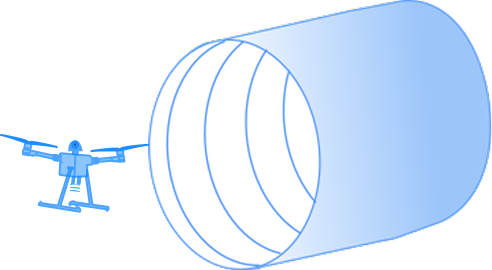
Remote drone inspection of culverts
AI-assisted railway culvert inspection and condition assessment
The Gap
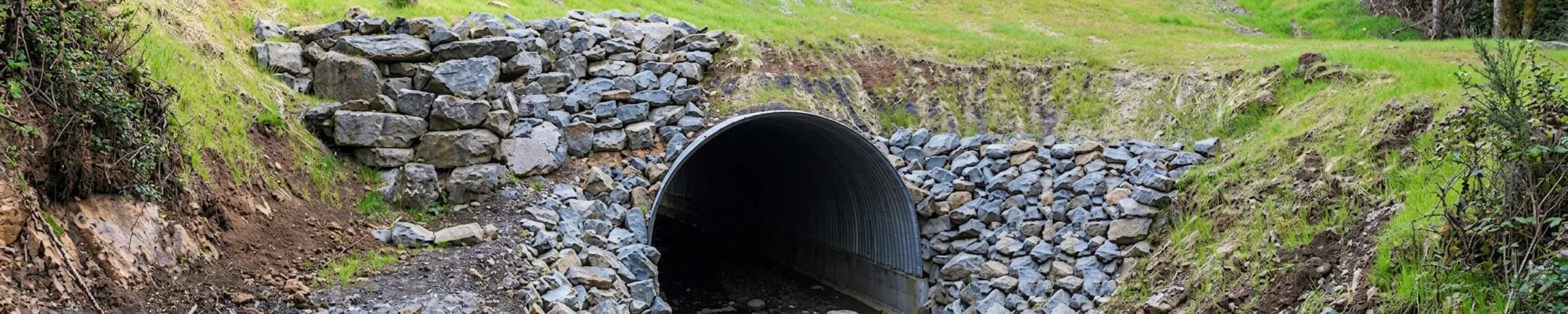
Manual culvert inspections are largely visual, time-intensive, and access-constrained, with compliance-driven annual visual and detailed inspection cycles. Limited inspection frequency, environmental exposure, and difficult terrain can delay defect detection and leave critical drainage assets insufficiently monitored.
Apollo CulvertScan addresses this gap through drone-based data collection and AI-assisted image analysis, helping infrastructure teams detect culvert risks, generate maintenance-ready outputs, and complete asset assessments more consistently.
Convert drone and field imagery into defect intelligence, risk scores, and maintenance-ready outputs for hard-to-access culvert and drainage assets.
Capture hard-to-access culverts with drone and field imagery workflows
Use AI-assisted analysis to identify defects, structural risks, and inspection priorities for review
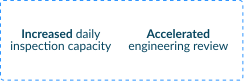
Streamline inspection review so engineering teams can assess more assets within required timeframes

Support lifecycle cost reduction through earlier detection and clearer maintenance planning

Reduce inspector exposure to dangerous or inaccessible terrain
Prioritize repairs and monitoring actions that support longer culvert service life
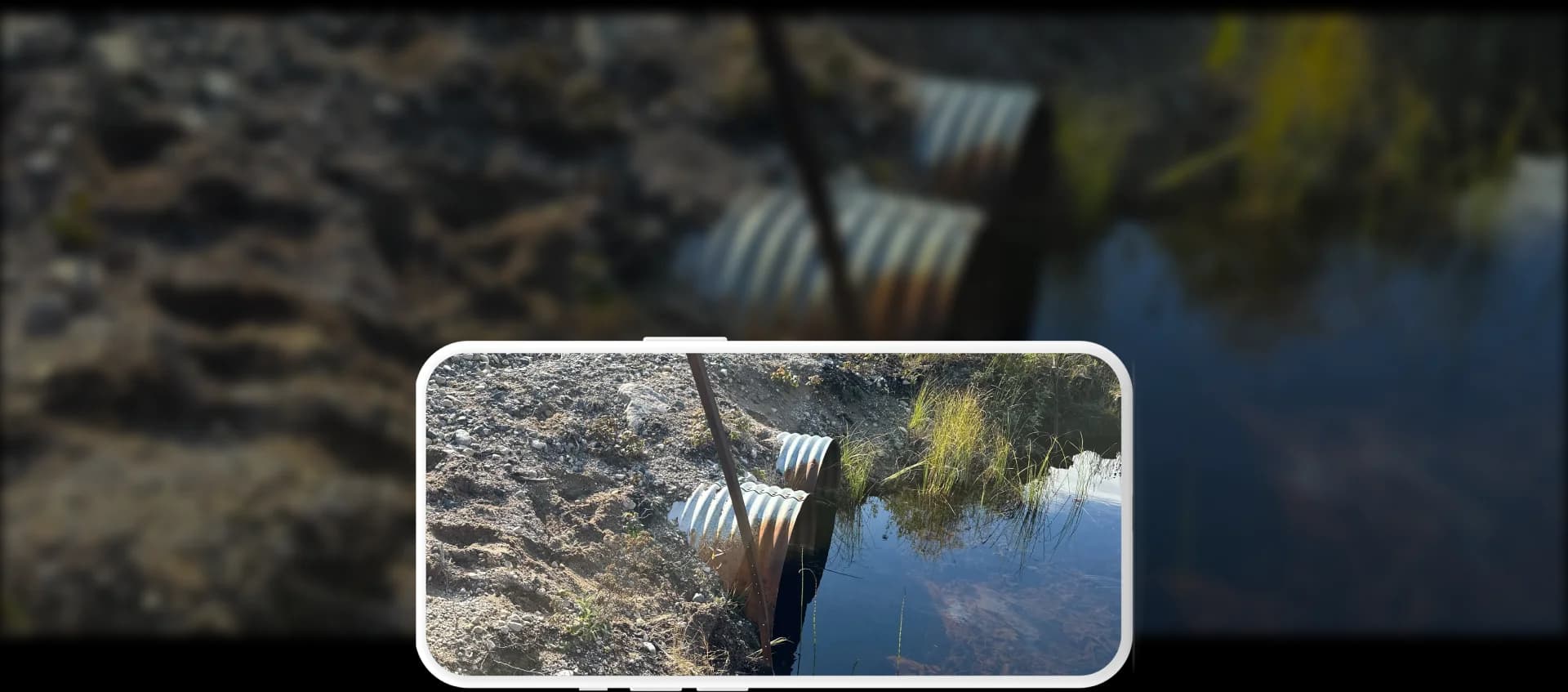
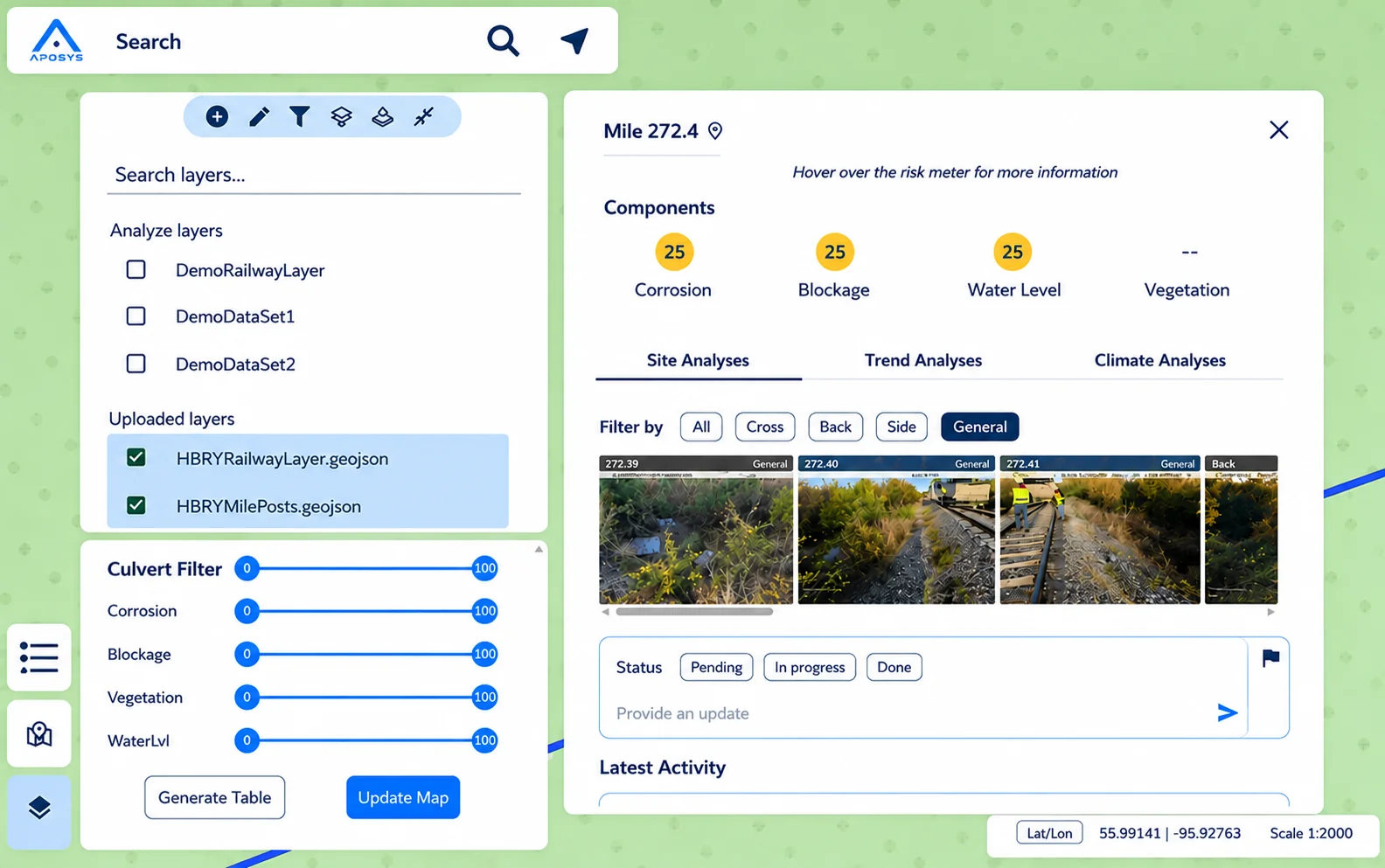
Review geo-referenced inspection imagery, defect classifications, and asset-level risk indicators in one workspace for faster maintenance planning.
How it works
Capture culvert data using pre-configured drones and imaging sensors
Upload inspection data to the cloud in real time from site
Analyze inspection imagery using AI-powered defect detection
Deliver risk scores and maintenance-ready insights via the dashboard
Remote drone inspection of culverts
Apollo AI analyzes inspection data and flags structural risks
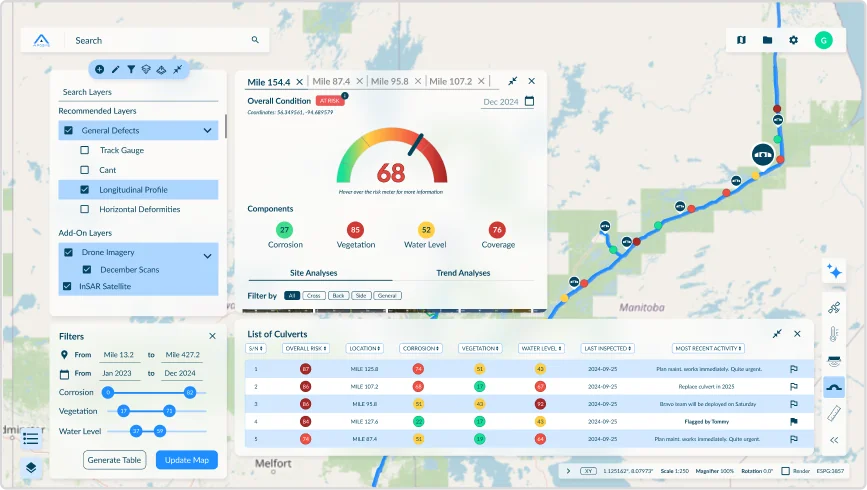
Visualize inspection insights and plan maintenance work
Structured data export to asset management, maintenance, and GIS platforms
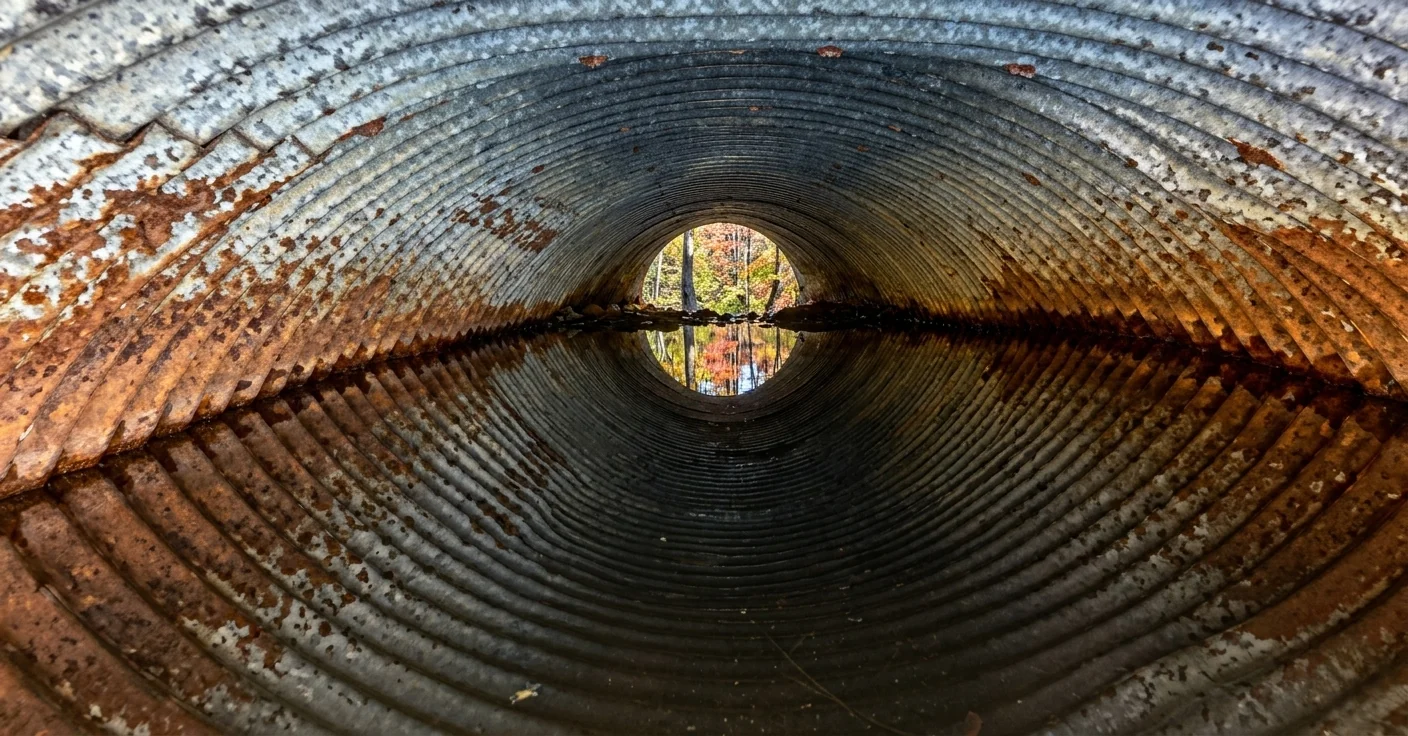
Corrosion
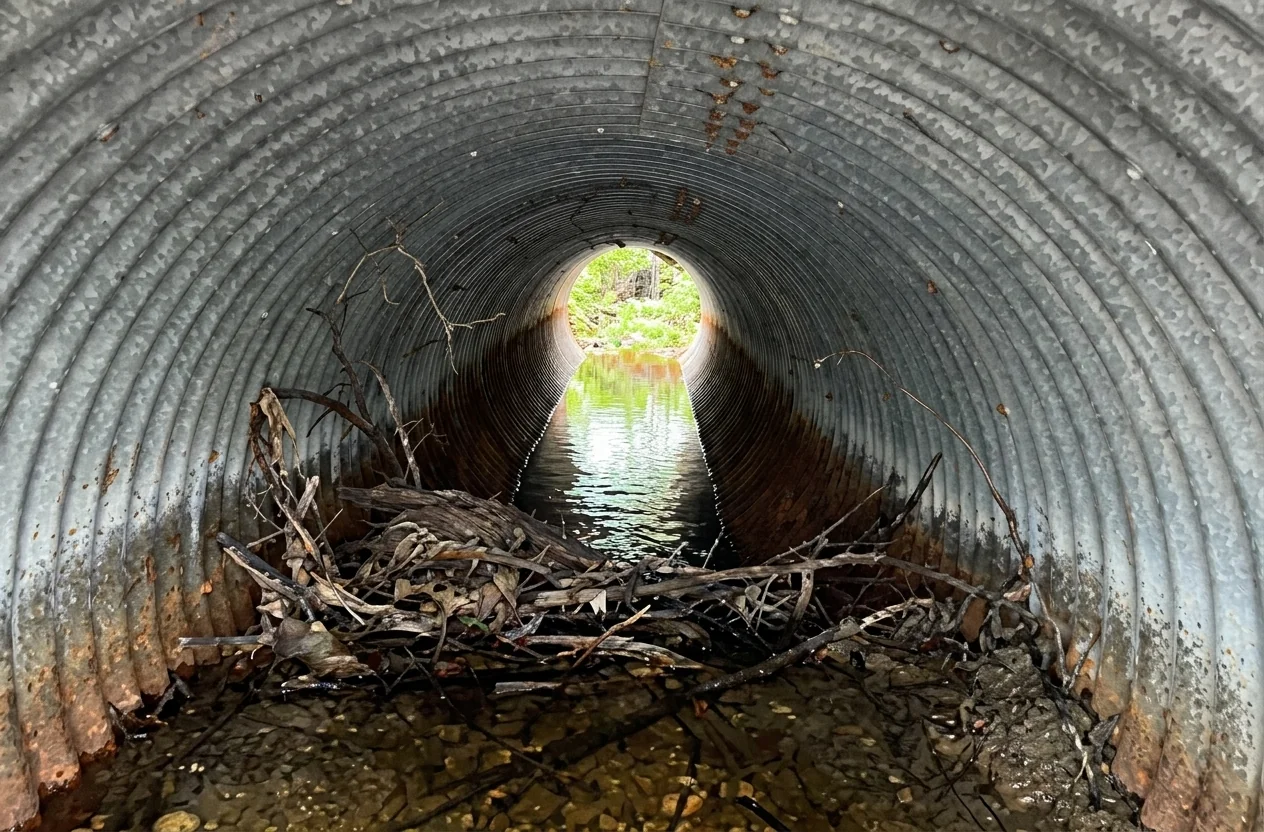
Blockage
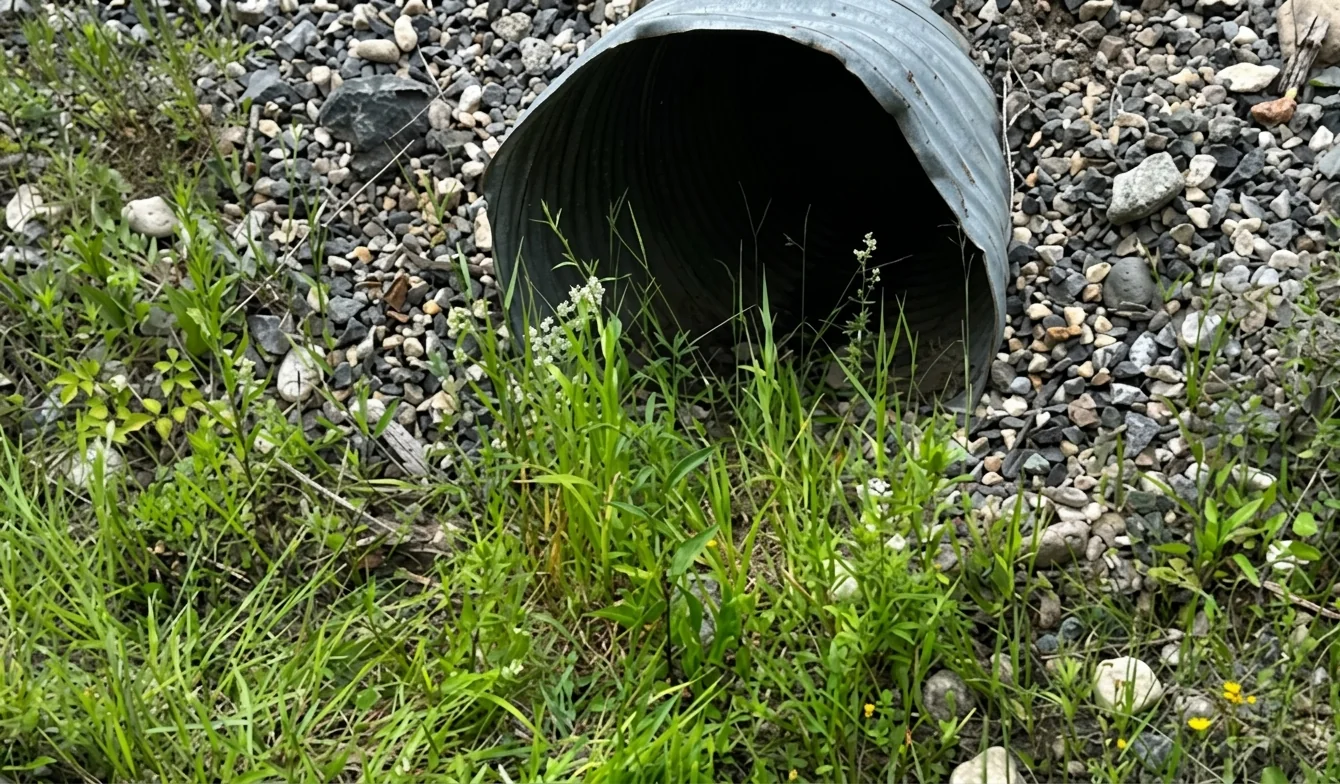
Vegetation
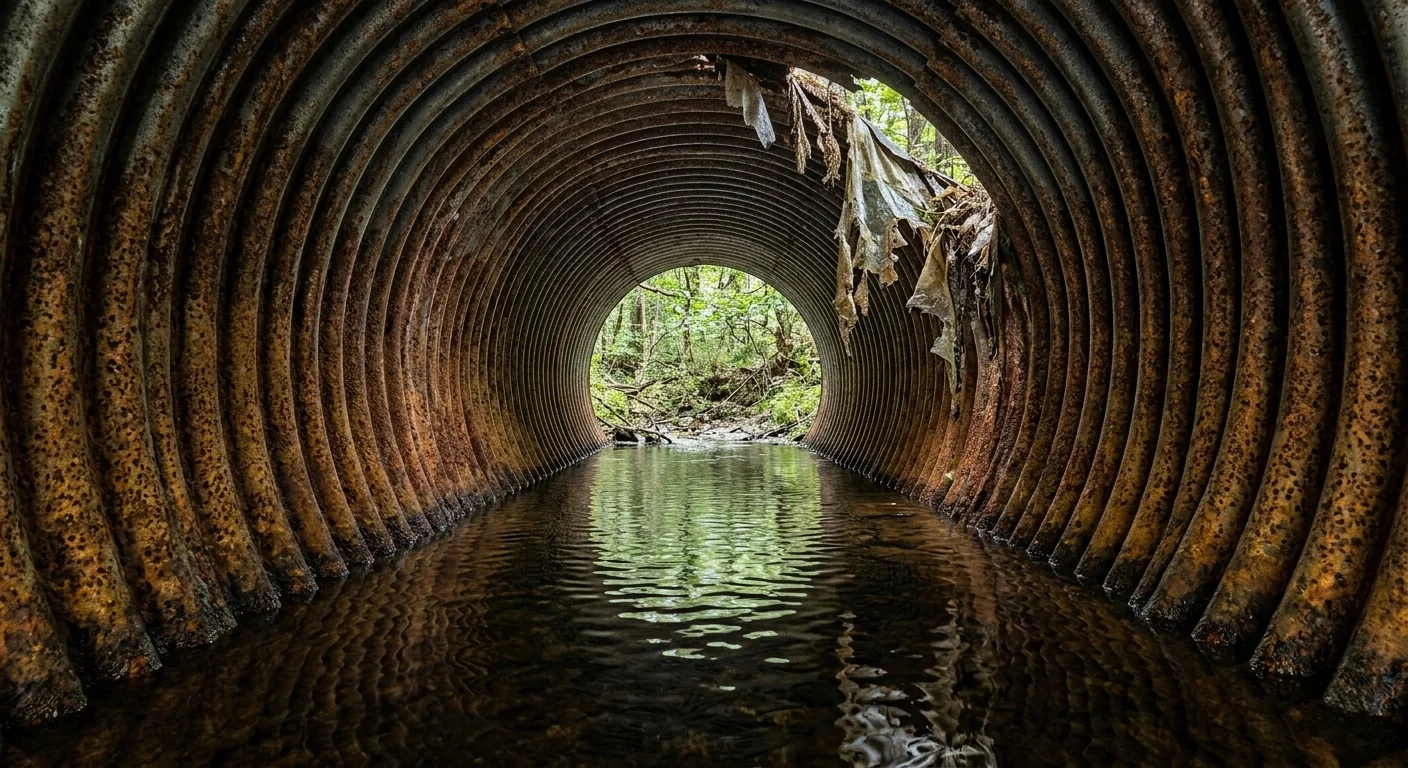
Water Levels
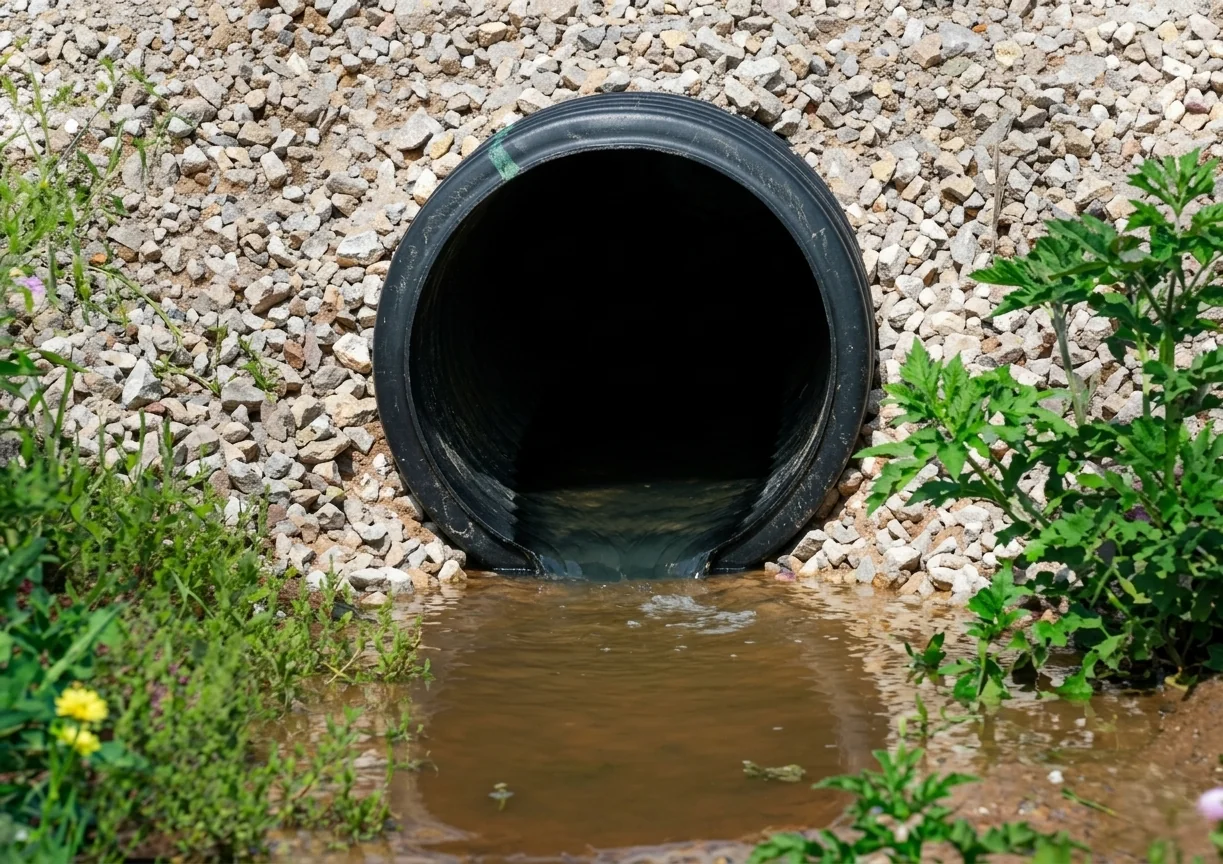
Soil Erosion
Applied in distributed culvert and drainage networks
Designed for limited access and remote inspection environments
Integrated with existing maintenance and asset management workflows
Talk to the ApoSys team about deploying Apollo CulvertScan for remote data capture, AI-assisted defect assessment, and maintenance-ready reporting.
